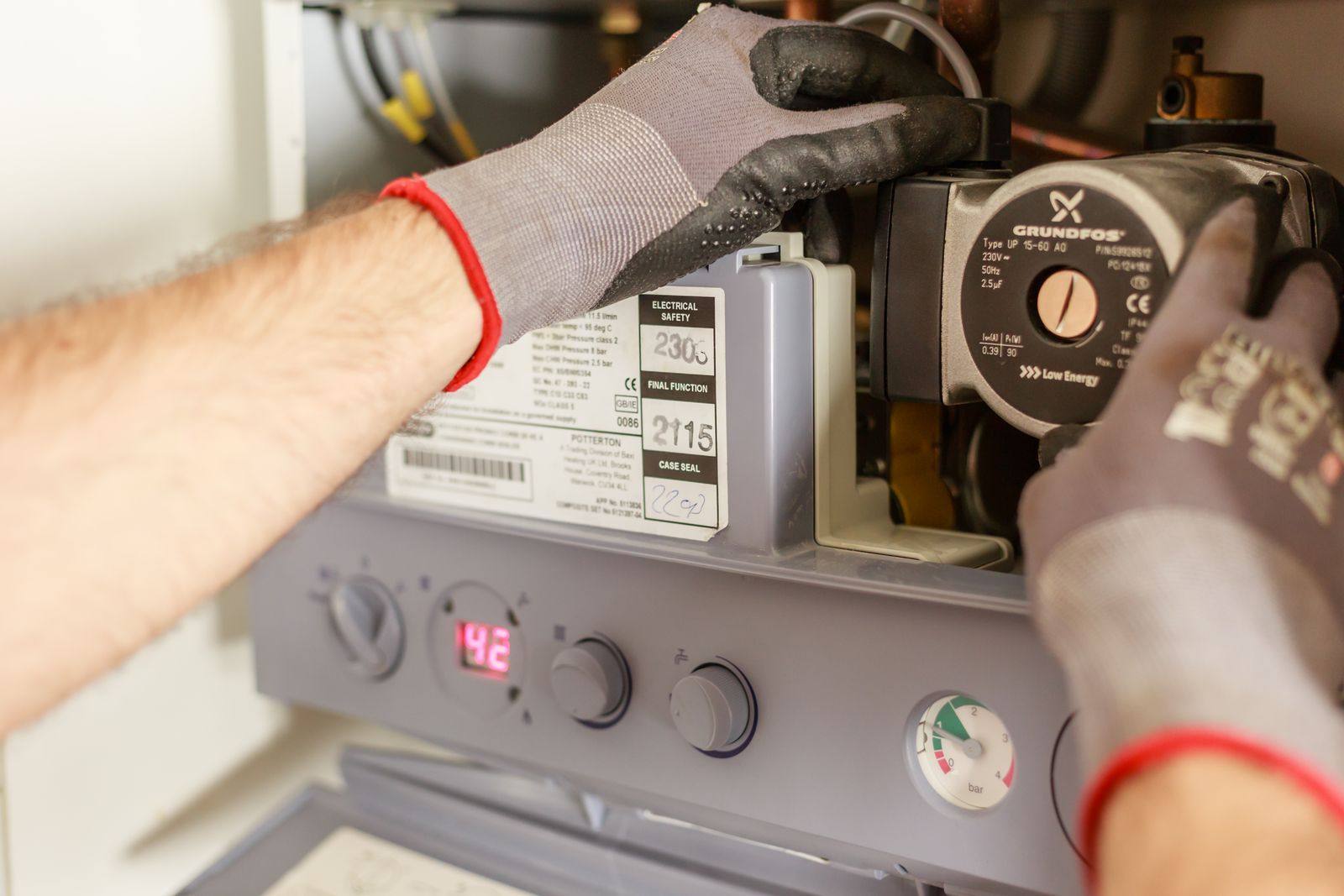
Arlington's condos, townhouses, and garden apartments put water heaters in tight spaces — closets, utility rooms, sometimes above a finished living space — and a leak in one unit damages the one below as well. Here is what is different about water heaters in shared-wall homes, and what to check.
Small spaces, shared walls, bigger consequences
Arlington's housing is a mix of condos, townhouses, and garden apartments, and in all of them the water heater lives in a tight space — a closet, a small utility room, sometimes above a finished living space. A leak in a detached house damages one home. A leak in a condo or townhouse damages the unit below as well as your own, and the repair bill is shared in ways nobody planned for.
Small spaces and shared walls are the reason Arlington heaters deserve more attention, not less. Here is what is different, and what to check before spending money on a new unit.
What is different in condos and townhouses
Closet installations
A heater in a closet has no room for a drain pan that does not fit, no space to work around it, and poor ventilation. Replacing a closet heater sometimes means removing a door or a section of wall to get the old unit out and the new one in. The size of the replacement has to fit the space, not just the household's hot-water needs — and that constraint is worth settling before the unit is bought.
Shared walls and stacked plumbing
Many Arlington buildings have stacked plumbing, with one unit's heater above another's living space. A leak travels down, not sideways, so the first sign of trouble is often a stain on a neighbour's ceiling. Access can also be harder: a provider may need building access, and some buildings require notice or approval before work starts.
Building approval and permits
Some condo and townhouse associations require approval before a water heater is replaced, and a permit and inspection are normally part of the job in any case. Checking the building's rules before scheduling the work avoids a replacement that has to stop halfway through. A provider who has worked in Arlington buildings before will know to ask.
Old Town's historic homes
Alexandria's Old Town adds a different problem: 18th- and 19th-century homes with plumbing that predates modern code, heaters in basements or tight utility spaces, and venting and gas lines that may need updating when the heater is replaced. A replacement in Old Town sometimes involves more than swapping the unit.
What actually helps
- - A drain pan with a drain line under the heater — the single most valuable item in a condo or townhouse, because it catches a slow leak before it reaches the unit below.
- - A leak detector or automatic shut-off in the pan, which alerts you or closes the water supply when water appears. These are inexpensive compared with a leak that runs for a weekend.
- - Annual flushing and anode-rod checks — the maintenance that matters in every home, and doubly so where a leak has consequences beyond your own walls.
- - Check the building's rules before a replacement, and confirm the permit, the access, and the disposal of the old unit are all arranged.
- - Tankless where it fits — a wall-hung tankless unit can free up closet space, but it needs gas-line and venting work, and the building's rules may restrict venting through shared walls. A site visit settles this before any purchase.
What does not help is replacing the heater and leaving the rest of the installation as it was. In a condo or townhouse, the pan, the drain, and the access matter as much as the heater itself.
Frequently Asked Questions
My condo association needs to approve the replacement. What do they usually ask for?
Usually the type and size of the unit, the installer's details, and confirmation that a permit will be pulled. Ask the building manager what is needed before scheduling the work.
Should I get a leak detector for my water heater?
In a condo or townhouse, yes — a detector in the drain pan that sounds an alarm or shuts off the water is inexpensive insurance against a leak that damages the unit below.
Can I switch to tankless in a condo?
Sometimes. A wall-hung tankless unit frees up closet space, but it needs gas-line and venting work, and the building may restrict venting through shared walls. A site visit settles this before any purchase.
How long does a water heater last in an Arlington condo?
Tank heaters commonly last 8–12 years, and local conditions can shorten that without maintenance. Regular flushing and anode-rod checks help, but they cannot fix a heater that was installed without a drain pan or proper venting.